SEO

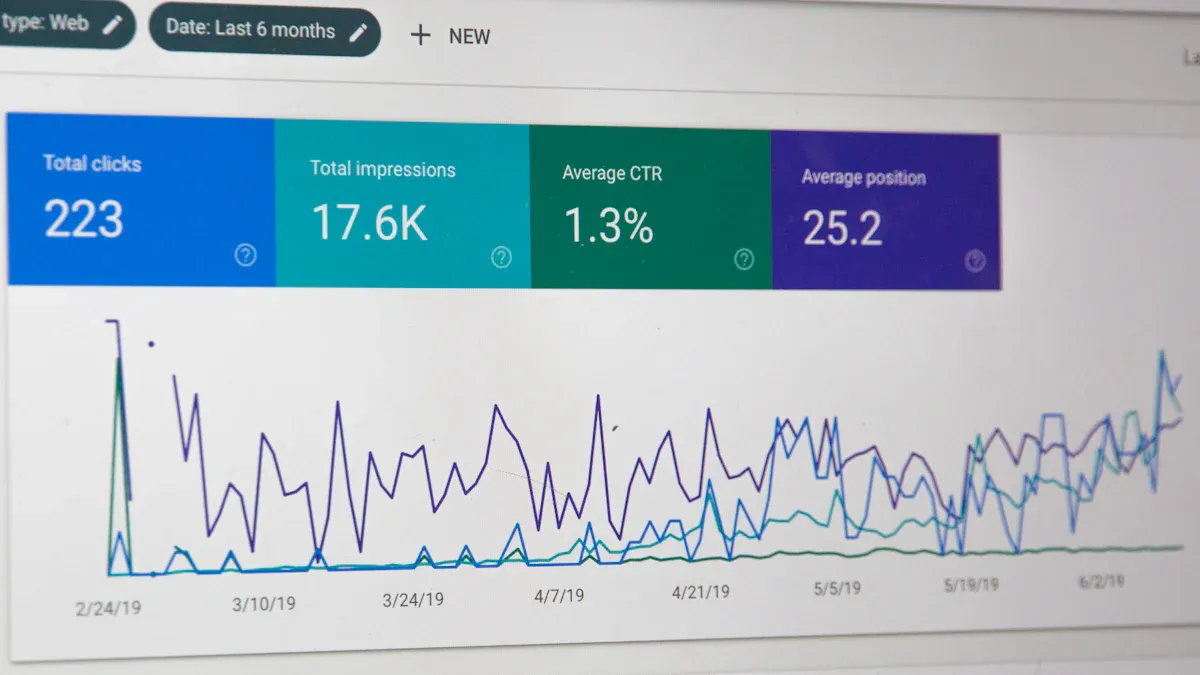
SEO helps your website stand out and reach more people online. When you use SEO, you attract visitors who want what you offer. You spend less money than on ads, but get more lasting results. Many businesses see more traffic and higher sales by ranking well in search engines. With tools like QuickCreator, you can create and optimize content easily, even if you do not have technical skills.
Key Takeaways
SEO helps your website get noticed by more people online. It improves your visibility in search results, leading to more visitors and potential sales.
Focus on creating high-quality content that answers questions and meets user needs. This keeps visitors engaged and encourages them to share your site.
Use tools like QuickCreator to simplify SEO tasks. You can optimize your content and track your website's performance without needing technical skills.
Regularly update your website with fresh content. This signals to search engines that your site is active and relevant, improving your rankings.
Monitor your SEO metrics to understand what works. Tracking user engagement and traffic helps you adjust your strategy for better results.
SEO Basics
What is SEO
You may wonder what SEO means for your website. SEO stands for Search Engine Optimization. It is the process of making your website easier to find on search engines like Google. When you use SEO, you improve your website’s technical setup, content, and links. This helps your site show up higher in search results when people look for products, services, or information. Leading digital marketing experts say that SEO connects your business with customers who search for what you offer. You make your website more relevant and useful, so search engines rank it higher. The American Marketing Association explains that SEO helps customers find your site quickly and easily.
Tip: When you focus on SEO, you help your website become more visible to people searching online.
Components
SEO has several important parts. Each part works together to make your website stronger and easier to find. Here is a table that shows the main components and what they do:
Component | Description |
|---|---|
On-Page Optimization | You improve each web page to attract more visitors and rank higher in search results. |
Off-Page Optimization | You build links and connect with other sites to boost your website’s reputation and ranking. |
Technical SEO | You fix technical issues so search engines can crawl and index your site better. |
You need to pay attention to all these components. When you do, your website becomes more attractive to both users and search engines.
Role in Marketing
SEO plays a big role in digital marketing. You use SEO to make your brand more visible online. When you combine SEO with other marketing channels, you reach more people and create a better experience for your customers. SEO data helps you find popular keywords and topics. You use this information to create content that matches what your audience wants. This way, your content ranks well and brings in more visitors. When you use SEO with your marketing strategy, you make sure your message stays clear and strong across all platforms.
Note: SEO works best when you use it with other marketing tools. You get more traffic and build trust with your audience.
Importance
Visibility
You want your website to stand out when people search online. SEO helps you reach the top spots in search results. When your site appears higher, more people see it. The numbers show how important this is:
Statistic | Value | Source |
|---|---|---|
Percentage of clicks to top results | Advanced Metrics | |
Website traffic from organic search | 53% | SEOInc |
ROI for SEO spend | First Page Sage | |
B2B marketers agreeing on SEO effectiveness | 61% | Hubspot |
When you use SEO, you give your website a better chance to get noticed by the right people.
Traffic
Getting more visitors to your website is key. SEO brings in people who are already interested in what you offer. You can use different types of content to boost your traffic. For example:
Video content is expected to make up over 82% of all consumer internet traffic by the end of the year.
Websites with videos keep visitors longer, which helps your search rankings.
Video content is 53 times more likely to earn a top spot in search results than plain text.
When you add videos and other engaging content, you attract more visitors and keep them interested.
Credibility
People trust websites that look professional and provide useful information. SEO helps you build this trust. Here are some things that make your site more credible:
Factor | Description |
|---|---|
Age of Domain | Older sites seem more trustworthy to search engines. |
Quality of Backlinks | Links from respected sites show your site is reliable. |
User Experience | Easy navigation and good design make visitors trust your site. |
Technical Elements | Features like SSL certificates and fast loading times add to your credibility. |
Content Quality | Clear, original, and helpful content builds trust with your audience. |
Tip: Focus on high-quality content, use SSL certificates, and share verified information to boost your website’s credibility.
Growth
SEO helps your business grow in many ways. You reach more people, save money, and get lasting results. The table below shows how SEO supports your growth:
Measurable Impact | Description |
|---|---|
Visibility | Higher rankings increase brand awareness and trust. |
Targeted Traffic | You attract visitors who want your products or services, leading to more sales. |
User Experience | Better navigation and faster loading keep visitors coming back. |
Cost-Effectiveness | You spend less on ads and get steady traffic over time. |
Long-Lasting Results | SEO keeps working for you, even when you stop spending money on ads. |
When you invest in SEO, you set your business up for steady growth and success.
How SEO Works
Algorithms
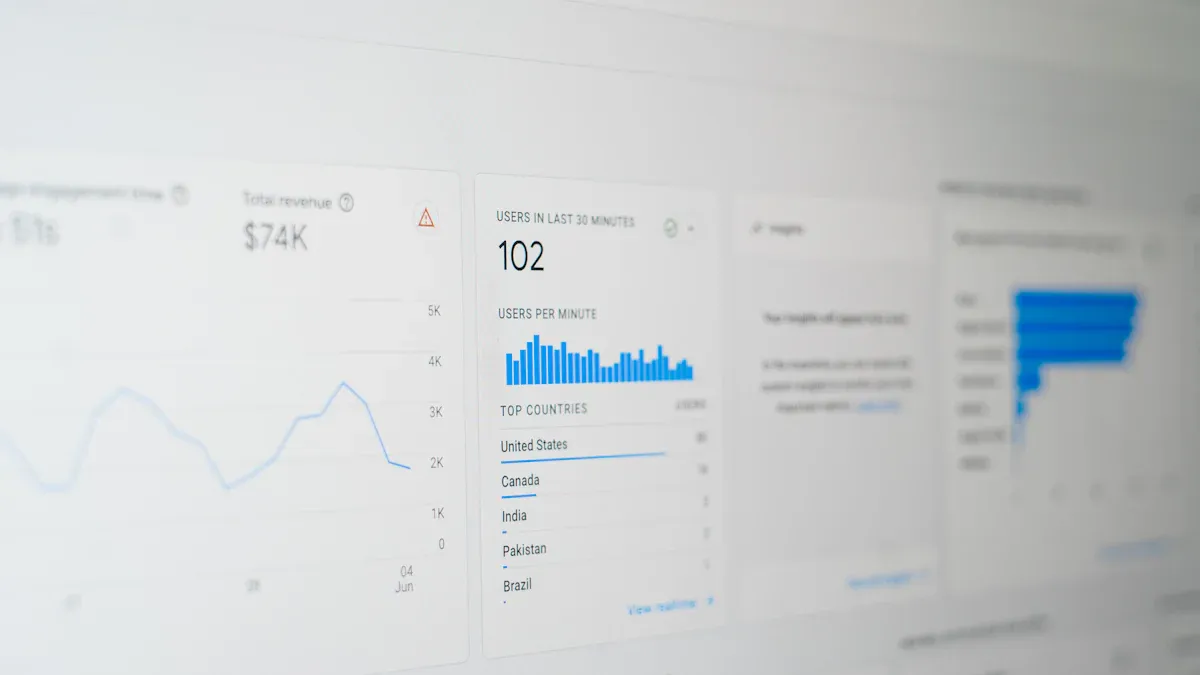
Search engines use algorithms to decide which web pages appear first in search results. You can think of an algorithm as a set of rules that sorts and ranks millions of web pages. Here is how the process works:
Crawling: Automated bots visit websites and collect information from each page.
Indexing: The search engine stores and organizes the data from those pages in a huge database.
Ranking: The algorithm reviews the indexed pages and decides which ones match a search best.
Google’s algorithm checks over 200 signals to rate your page. These signals include content quality, keywords, and how easy your site is to use. The better your page matches what people want, the higher it will appear in search results.
Ranking Factors
Many factors affect how your website ranks. You can improve your position by focusing on the most important ones:
High-quality content that answers questions and solves problems.
Content relevance, so your page matches what people search for.
Content freshness, which means updating your site with new information.
Links, including backlinks from trusted sites, outbound links, and internal links.
Site structure, which helps both users and search engines find information easily.
You also need to make sure your website loads quickly, works well on mobile devices, and keeps visitors engaged.
Indexing
Indexing is the step where search engines store and organize your website’s information. When bots crawl your site, they analyze the content and decide if it should go into the search engine’s database. Not every page gets indexed. Search engines look for pages with clear structure, useful keywords, and high quality. If your page is indexed, it can show up in search results. Good indexing helps your SEO by making your content easy to find when people search online.
SEO Elements
On-Page
You control on-page SEO directly on your website. This part helps search engines understand your pages and rank them higher. You improve your site’s visibility and user engagement when you focus on these elements:
Content Quality: Write clear, helpful, and original information for your visitors.
HTML Elements: Use title tags and meta descriptions to describe each page.
Image Optimization: Add alt text and compress images so your site loads faster.
Website Architecture: Organize your pages so users and search engines can find information easily.
Tip: Strong on-page SEO makes your website easier to find and more enjoyable for visitors.
Off-Page
Off-page SEO happens outside your website. You build your site’s reputation and authority by connecting with other websites. Link building is a key strategy. You reach out to other sites and ask for backlinks. These links act like votes, showing search engines that your content is valuable and trustworthy.
High-quality backlinks from respected sites boost your ranking.
Off-page signals help search engines measure your website’s authority.
Backlinks from top domains make your site look more credible.
Note: The more trusted sites link to you, the more search engines see your site as a reliable source.
Technical
Technical SEO focuses on the behind-the-scenes parts of your website. You make sure search engines can access, understand, and rank your pages. Good technical SEO improves your site’s performance and helps users have a better experience.
Crawlability lets search engines find all your pages.
Site structure organizes your content for easy navigation.
HTTPS secures your site and builds trust.
HTTP status codes tell search engines how to process your pages.
Page speed keeps visitors from leaving your site.
Mobile-friendliness ensures your site works well on phones and tablets.
Remember: Technical SEO helps your website run smoothly and rank higher in search results.
Practical Steps
Keyword Research
You start with keyword research to find out what your audience wants. Follow these steps for the best results:
Understand search intent. Think about what users want when they type a keyword.
Use keyword research tools to find popular and relevant keywords.
Build a keyword strategy. Choose keywords that match your goals and your audience.
Update your keyword list often. Search trends change, so your strategy should too.
Create landing pages that match your chosen keywords.
You can use QuickCreator to automate keyword analysis and get suggestions for high-performing topics. This saves you time and helps you target the right audience.
Content Quality
High-quality content makes your website valuable. Search engines notice when you provide helpful and original information. When you create engaging content, people stay longer and share your pages. This leads to more backlinks and better rankings. If you post new and useful content often, your site will keep growing. QuickCreator’s AI blog writing feature helps you produce expert-level content that meets user needs and keeps visitors interested.
Meta Tags
Meta tags help search engines and users understand your pages. Here is a quick look at the main meta tags:
Meta Tag Element | Role in SEO | Impact on User Experience |
|---|---|---|
Title Tag | Focuses on main keywords for better visibility | Grabs attention and sets clear expectations |
Meta Description | Boosts click-through rates from search results | Gives a short summary and encourages users to visit |
Character Encoding | Ensures correct indexing by search engines | Displays content properly on all devices and browsers |
QuickCreator lets you edit meta tags easily, so your pages stand out in search results.
Backlinks
Backlinks act like votes from other websites. When trusted sites link to your content, search engines see your site as more credible. High-quality backlinks improve your rankings and help you reach more people. You can earn backlinks by sharing valuable content and building relationships with other site owners.
Site Speed
Site speed matters for both users and search engines. Fast-loading pages keep visitors happy and lower bounce rates. Google uses site speed as a ranking factor. If your site loads in under a second, you can get more conversions and better rankings. QuickCreator’s platform ensures your blog loads quickly, helping you keep users engaged.
Mobile Optimization
Mobile-responsive design is no longer a trend—it’s a necessity. With most web traffic coming from mobile devices, you need a site that works well on any screen. Google ranks sites based on their mobile versions, so mobile optimization gives you a big advantage.
Structure
A clear site structure helps users and search engines find information easily. You should organize your pages so visitors can reach any page within four clicks. Good structure improves navigation and helps search engines index your content. QuickCreator’s block-based editor makes it simple to build a well-organized site that supports your SEO goals.
Common Mistakes
Keyword Stuffing
You might think adding your main keyword many times will help your page rank higher. In reality, keyword stuffing can hurt your site. Search engines look for helpful and natural content. If you use the same keyword too often, your page can become hard to read and less useful for visitors. This practice can lead to penalties and lower rankings.
Problem | Result |
|---|---|
Human reviewers may lower your ranking or remove your page from results. | |
Algorithmic Penalties | Search engines can automatically drop your ranking without warning. |
User Experience | Visitors may leave your site quickly if the content feels forced or unnatural. |
Tip: Use keywords naturally in your writing. Focus on making your content clear and helpful.
Ignoring Mobile
Many people use phones to browse the web. If your website does not work well on mobile devices, you risk losing visitors. Ignoring mobile optimization can lower your SEO rankings and reduce your organic traffic. You may also see more people leave your site quickly, which makes it harder to attract and keep customers. Your site can become less visible online and lose ground to competitors.
Technical Issues
Technical problems can stop search engines from finding and ranking your site. Slow loading pages, broken links, and poor site structure make it hard for search engines to crawl and index your content. If your site has duplicate content or is not mobile-friendly, you may not appear in search results as often. These issues also make users leave your site, which can lower your rankings even more.
Low-Quality Links
Backlinks help your site, but only if they come from trusted sources. Low-quality backlinks from spammy or unrelated sites can harm your SEO. Search engines may penalize your site, causing a drop in rankings or even removal from results. These links can damage your site’s reputation and make it harder to recover your position.
Google may penalize your site for bad links.
Spammy links can hurt your credibility.
Search engines want quality and relevance in backlinks.
No Tracking
You need to track your SEO progress to know what works. If you do not monitor your metrics, you cannot see how users interact with your site or measure your growth. Tracking helps you understand your visibility, traffic, and conversions. When you follow your SEO data, you can adjust your strategy and keep improving your results.
Note: Always check your SEO metrics to make smart decisions and reach your goals.
SEO Success
Tools
You need the right tools to track and improve your SEO performance. Many options exist, each with unique strengths:
Google Search Console helps you see how your site appears in search results. You can check for indexing problems and monitor search traffic.
Google Analytics shows how visitors interact with your website. You learn which pages get the most attention and where users come from.
Ahrefs Webmaster Tools finds technical issues and gives you important SEO metrics. You can spot problems that may hurt your rankings.
SE Ranking tracks your keyword positions every day. You see how your site performs for different search terms.
Surfer's Content Audit reviews your content and suggests ways to improve it for better rankings.
QuickCreator stands out as a smart choice for both beginners and experts. You can use its built-in analytics to monitor your blog’s SEO performance. The platform also ensures your content meets Google’s EEAT standards, making your site more trustworthy and authoritative.
Metrics
You measure SEO success by tracking key metrics. These numbers show how well your website performs and where you can improve.
Metric Type | Key Metrics to Track | Importance |
|---|---|---|
Bounce Rate, Session Duration | Shows if visitors like your content | |
Technical SEO Metrics | Crawl Errors, Page Speed | Ensures your site works well for search engines |
Content Performance Metrics | Organic Traffic, Keyword Rankings | Tells you if your content attracts new visitors |
Business Impact Metrics | Conversion Rates, Brand Impact | Measures growth and the value SEO brings to your brand |
You should focus on these metrics to understand your audience, improve your content, and grow your business.
Strategy Adjustment
SEO is not a one-time task. You need to review your results and adjust your strategy often. If you see a drop in rankings or traffic, look at your metrics to find the cause. Update your keywords, refresh your content, and fix technical issues as needed. QuickCreator makes this process easier by giving you real-time analytics and suggestions for improvement. You can keep your SEO strategy strong and make sure your website stays ahead in search results.
SEO helps your business grow and reach more people online. You can boost your website’s visibility and build trust with your audience. Tools like QuickCreator make SEO simple for everyone. You do not need to be an expert to get results.
Remember: Anyone can improve their website with the right tools and a little effort. Start today and watch your online presence grow!
FAQ
What is the fastest way to improve my website’s SEO?
You can start by improving your content quality and making your site mobile-friendly. Use clear titles and meta descriptions. Add keywords that match what people search for. QuickCreator helps you do these steps quickly.
How often should I update my website for SEO?
Update your website at least once a month. Fresh content tells search engines your site is active. You can add new blog posts, update old pages, or fix broken links. QuickCreator makes it easy to keep your content fresh.
Do I need to hire an SEO expert to get results?
You do not need to hire an expert. Many tools, like QuickCreator, guide you through SEO basics. You can follow simple steps to improve your site’s ranking and visibility on your own.
Can I do SEO without technical skills?
Yes! Many SEO tools, including QuickCreator, are designed for beginners. You can create, optimize, and publish content without coding or advanced knowledge. These tools handle the technical parts for you.
